
What Is the pH of Water? Understanding Acidic, Neutral & Alkaline Water
The pH of water helps describe whether water is acidic, neutral or alkaline. But what does the pH level of water actually mean?
The pH of water can vary depending on its source, dissolved substances and treatment. Understanding water pH is therefore an important part of learning about drinking water quality. In this guide, we will understand acidic water, neutral water, alkaline water, alkaline water pH and how technologies such as water ionizers can change the characteristics of water.
What Is the pH of Water?
The pH of water describes how acidic or alkaline the water is. The pH scale generally ranges from 0 to 14.
A value around 7 is considered neutral. Values below 7 indicate acidic water, while values above 7 indicate alkaline water.
The pH of water can vary depending on its source, dissolved minerals, gases and treatment process.
Understanding the pH Level of Water
The pH level of water gives an indication of its acidic or alkaline nature.
A lower pH indicates greater acidity, while a higher pH indicates greater alkalinity.
However, pH is only one characteristic of water. Other factors should also be considered when understanding overall water quality.
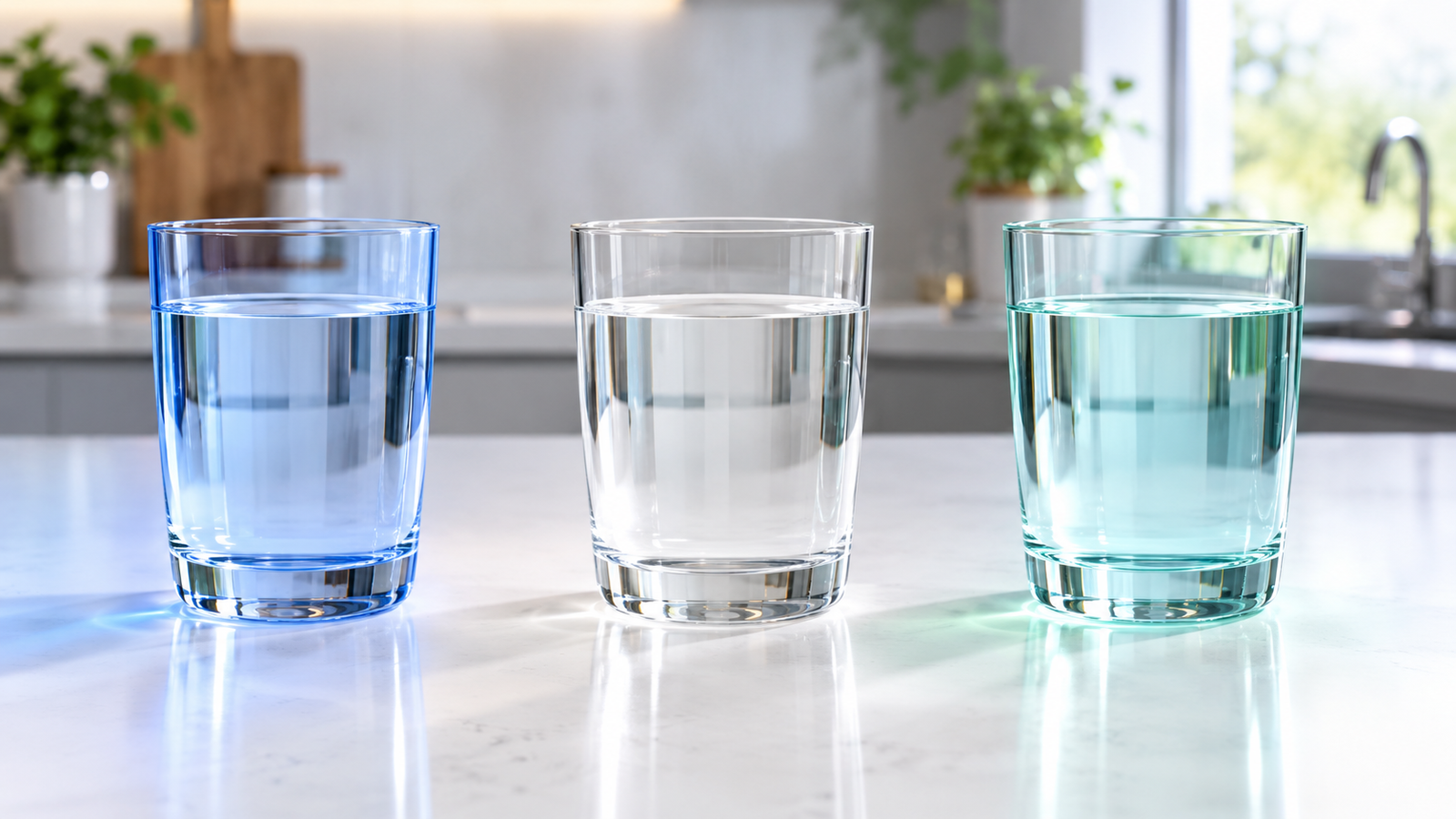
What Is Acidic Water?
Acidic water generally has a pH below 7. Its pH can be influenced by natural substances, dissolved minerals and water chemistry.

What Is Neutral Water?
Water with a pH around 7 is generally described as neutral. Pure water is commonly used as the reference point for neutral pH.
What Is Alkaline Water?
Alkaline water generally refers to water with a pH above 7. Its characteristics can vary depending on the water source, mineral composition and treatment method.

Understanding Alkaline Water pH
Alkaline water pH means that the water has a pH above the neutral point of 7.
Different water systems can produce water with different pH values. The resulting pH may depend on the machine, incoming water and operating conditions.
A higher pH number does not automatically mean better overall water. pH is one part of understanding water quality.
Why Does Drinking Water pH Matter?
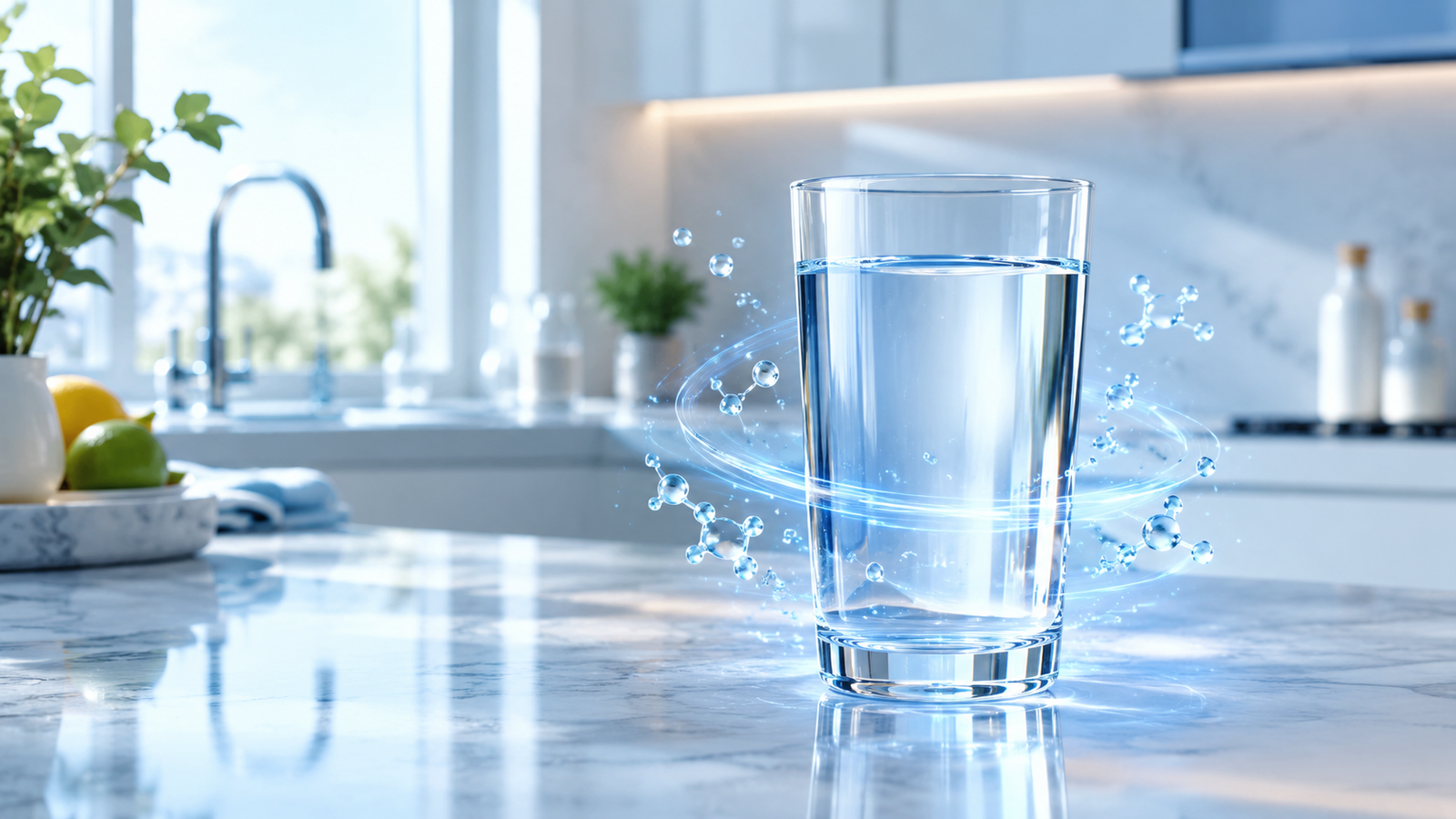
Drinking water pH provides useful information about whether water is acidic, neutral or alkaline.
Understanding water pH can help you learn more about the characteristics of your water and how different treatment methods may affect it.
However, pH should be considered together with other water-quality factors such as water source, dissolved substances and treatment.
Is pH Enough to Judge Water Quality?
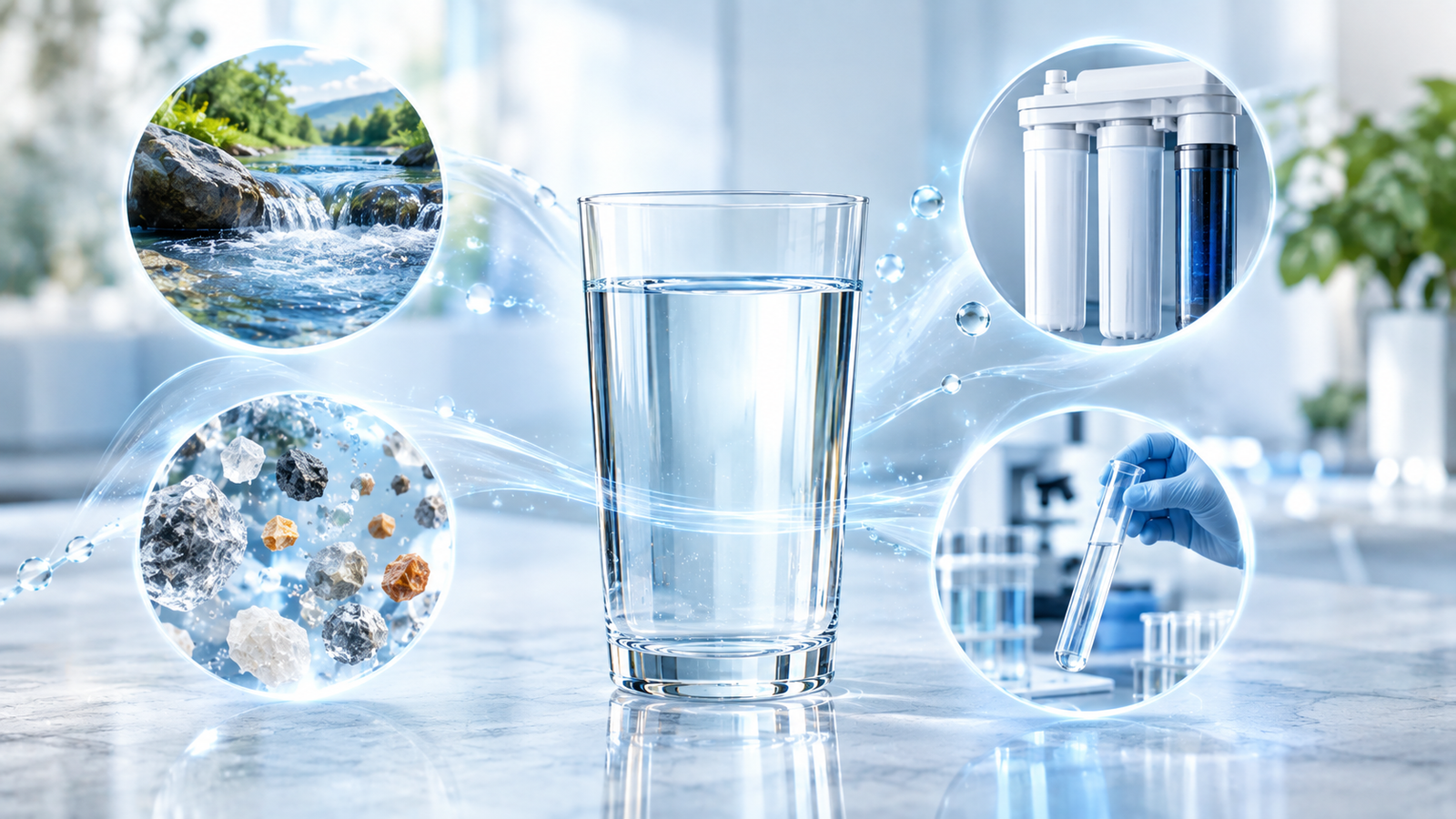
No. The pH of water is important, but it does not provide a complete picture of water quality.
Water Source
Municipal, borewell, tanker and other sources can have different characteristics.
Dissolved Substances
Water can contain different dissolved minerals and substances.
Water Treatment
Different treatment technologies can affect different water characteristics.
Alkaline Water Benefits: What Should You Know?
The term alkaline water benefits is commonly used when discussing water with a pH above 7.
People may choose alkaline water based on its taste, water characteristics or interest in water ionization.
However, broad health claims should be considered carefully. Alkaline water is defined by its characteristics, including its pH. A higher pH alone does not establish that water is healthier or better.

How Does a Water Ionizer Produce Alkaline Water?
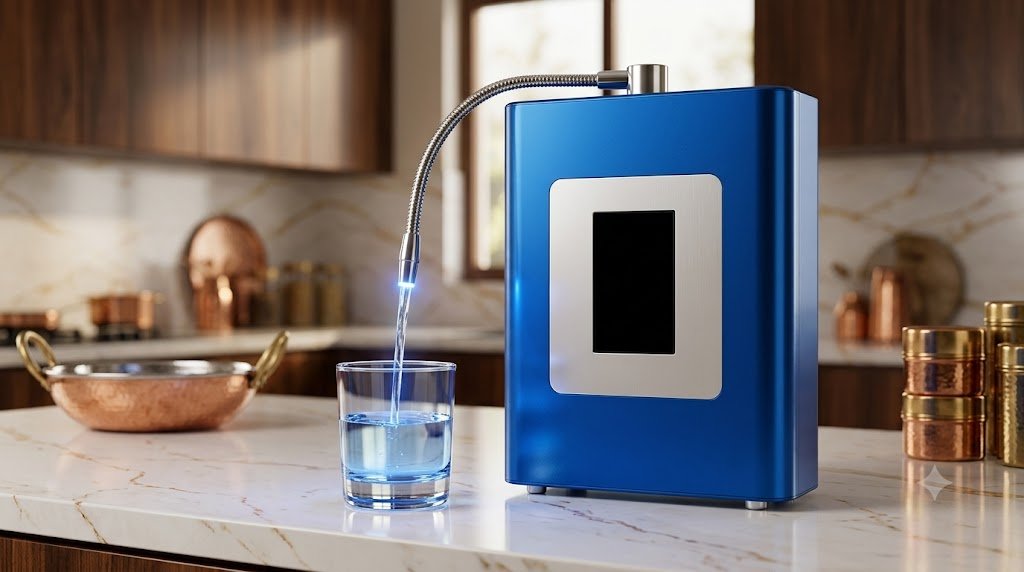
A water ionizer uses an electrolysis process to produce water with different characteristics and pH levels.
Water passes through the system and the electrolysis process creates different outputs. The resulting pH can depend on the machine, incoming water and operating conditions.
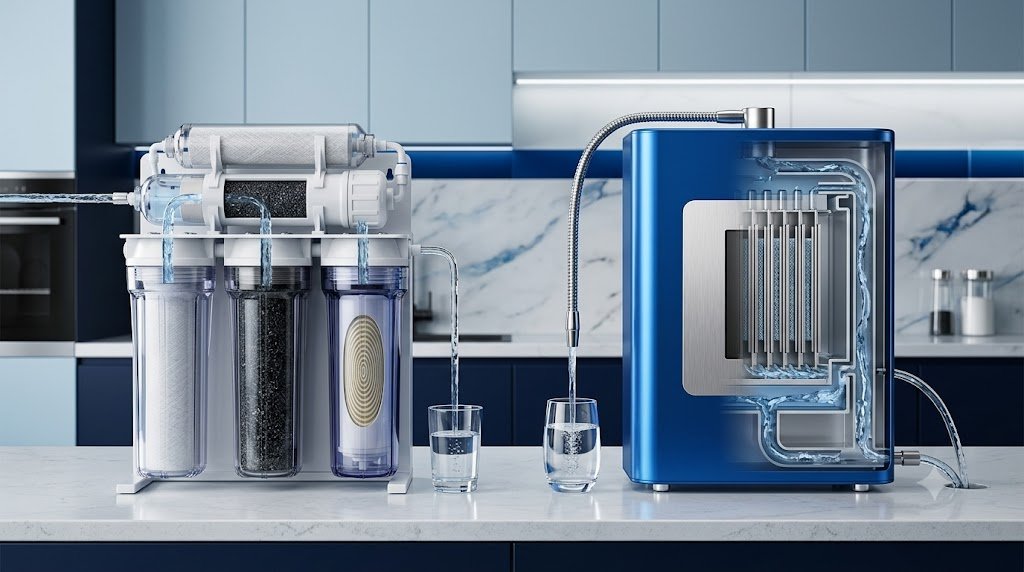
This is different from a conventional alkaline water filter because filtration and electrolysis are different approaches to water treatment.
Alkaline Water Filter vs Water Ionizer
An alkaline water filter and a water ionizer are not the same technology. The main difference is how they process water.
| Alkaline Water Filter | Water Ionizer |
|---|---|
| Uses filtration media or components | Uses electrolysis plates to produce different water outputs |
| Focuses on filtration and water characteristics | Uses electrolysis to change water characteristics and pH |
| Technology depends on the filter design | Technology depends on the electrolysis plate design, incoming water and operating conditions |
Is Higher Water pH Always Better?
No. A higher pH simply means that the water is more alkaline. It does not automatically mean that the water has better overall quality.
To understand your water properly, consider the complete picture:
How Can You Check the pH of Water?
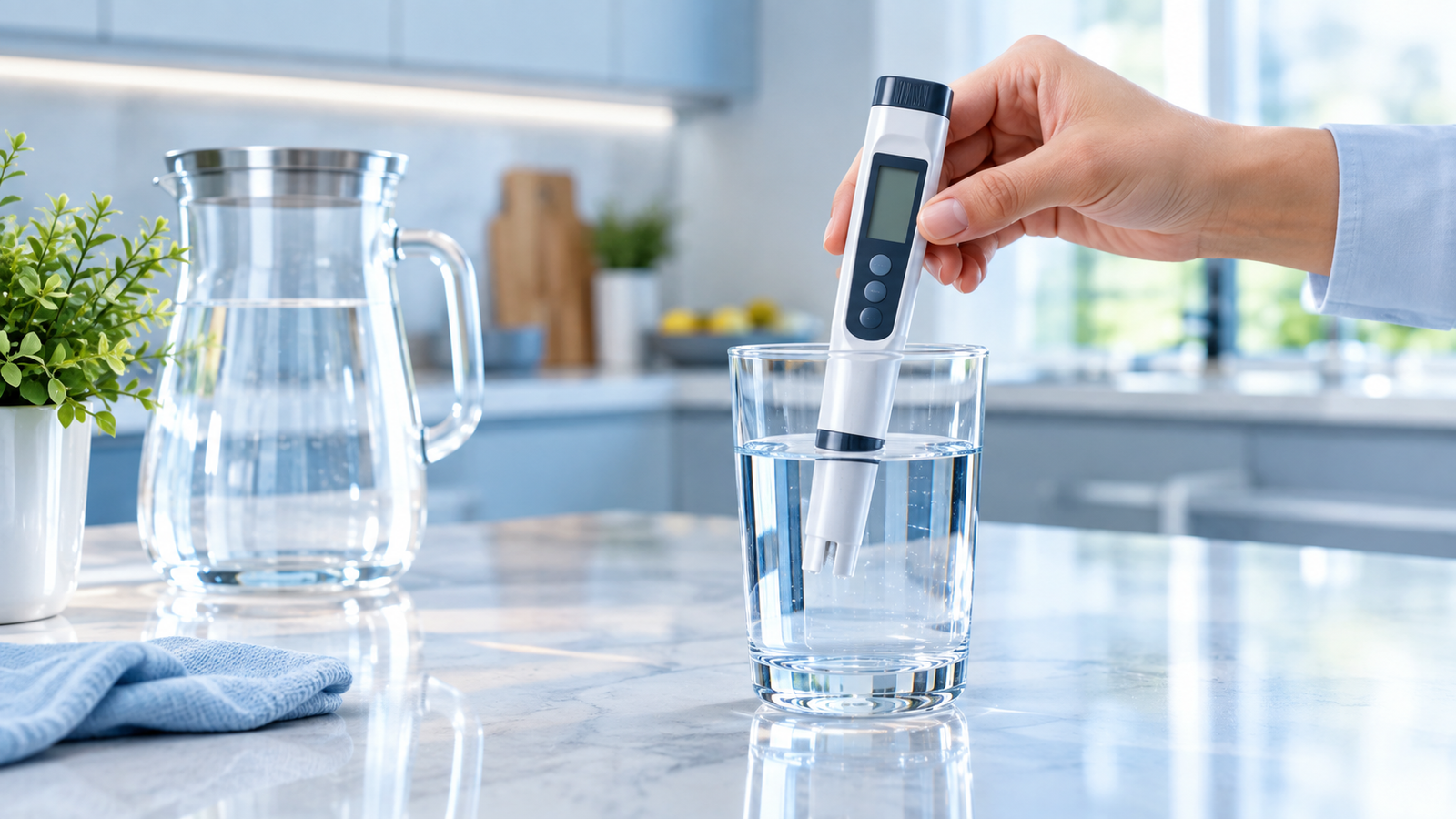
You can check the pH of water using suitable pH testing equipment, such as a digital pH meter.
A basic pH measurement can help you understand whether water is acidic, neutral or alkaline. For broader water-quality assessment, additional testing may be required.
Collect Water
Take a clean sample of the water you want to test.
Test pH
Use a suitable pH testing device according to its instructions.
Understand the Result
Use the reading to understand the acidic, neutral or alkaline nature of the water.
Understand Water pH. Understand Your Water.
The pH of water is an important characteristic that helps us understand whether water is acidic, neutral or alkaline. But pH alone cannot describe complete water quality.
Before choosing a water treatment or water ionization technology, understand your water source, TDS, pH and overall water-quality requirements.
Explore Kenjan Water Ionizers
Learn more about water ionization technology and explore Kenjan water ionizers designed for modern homes and water-quality needs.