
What Does a TDS Meter
Actually Tell You?
TDS in water refers to the total amount of dissolved substances present in water. These dissolved substances can include minerals, salts and other dissolved materials. TDS is commonly expressed in parts per million (ppm) or milligrams per litre (mg/L).You may have seen a small digital TDS meter being used to check drinking water. But what does that number actually tell you? And can a TDS meter tell you whether water is safe to drink? Let's understand TDS and TDS meters in simple terms.
Before You Trust a TDS Reading, Understand What It Means
TDS in water, or Total Dissolved Solids, is a measure of the dissolved substances present in water. These can include naturally occurring minerals, salts and other dissolved materials.A TDS meter can give you a quick indication of dissolved material in water, but the number does not identify every substance present or tell you the complete story about water quality.
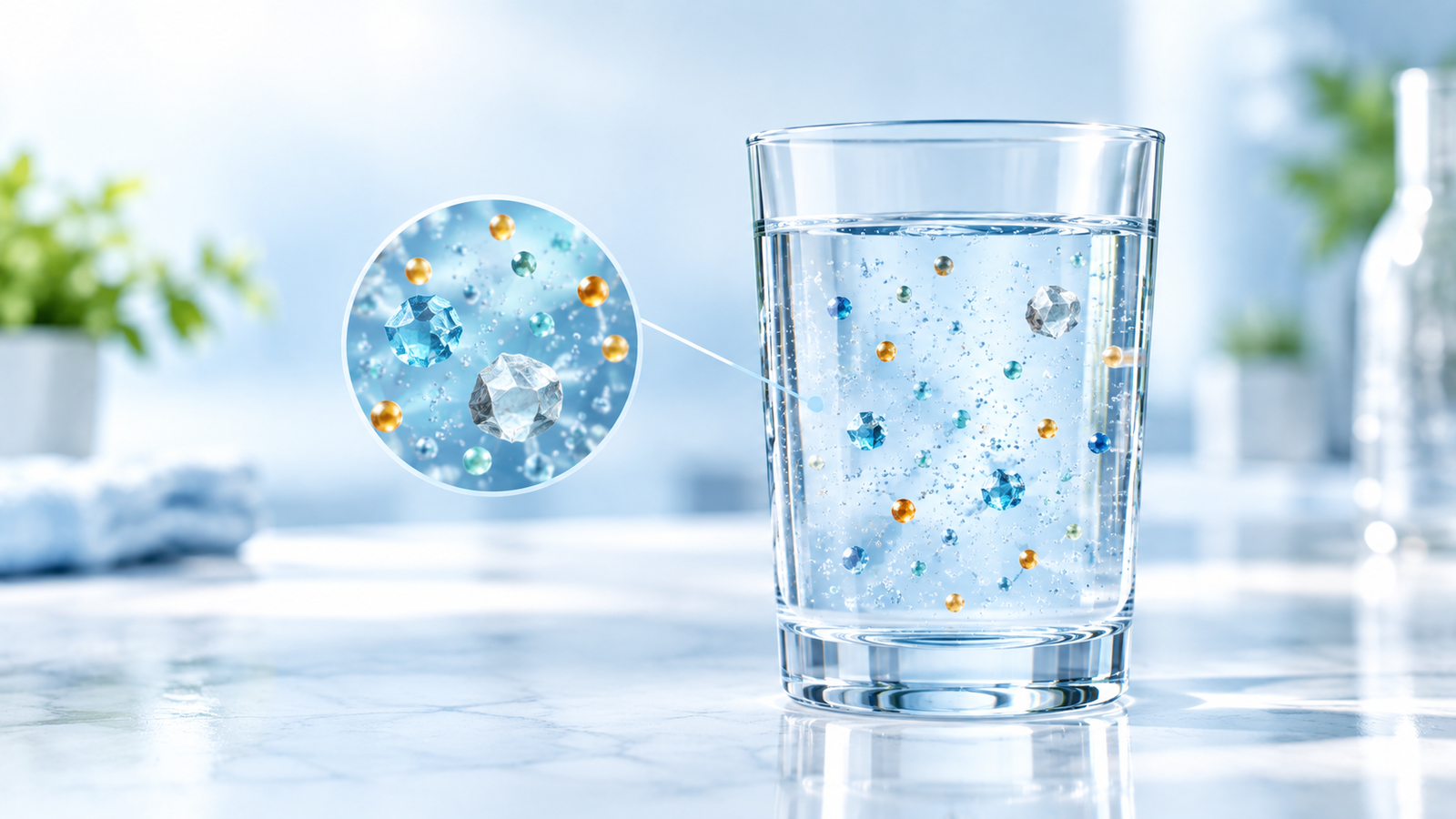
What Is TDS in Water?
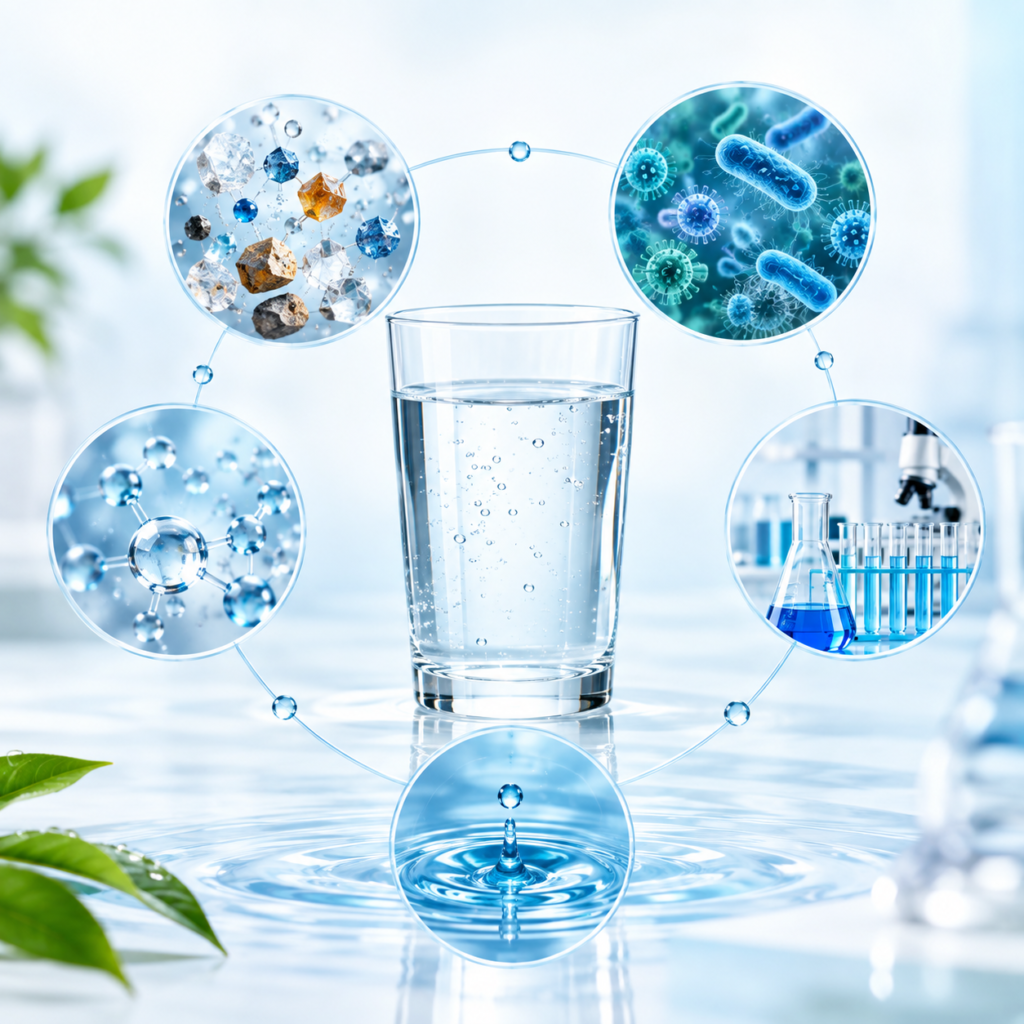
TDS in water stands for Total Dissolved Solids. TDS refers to the total amount of dissolved substances present in water. These may include naturally occurring minerals such as calcium and magnesium, salts and other dissolved materials.TDS is commonly expressed in ppm (parts per million) or mg/L.
A TDS reading gives you an indication of dissolved material in water — but it does not tell you the complete story about water quality.
What Does a TDS Meter Actually Measure?
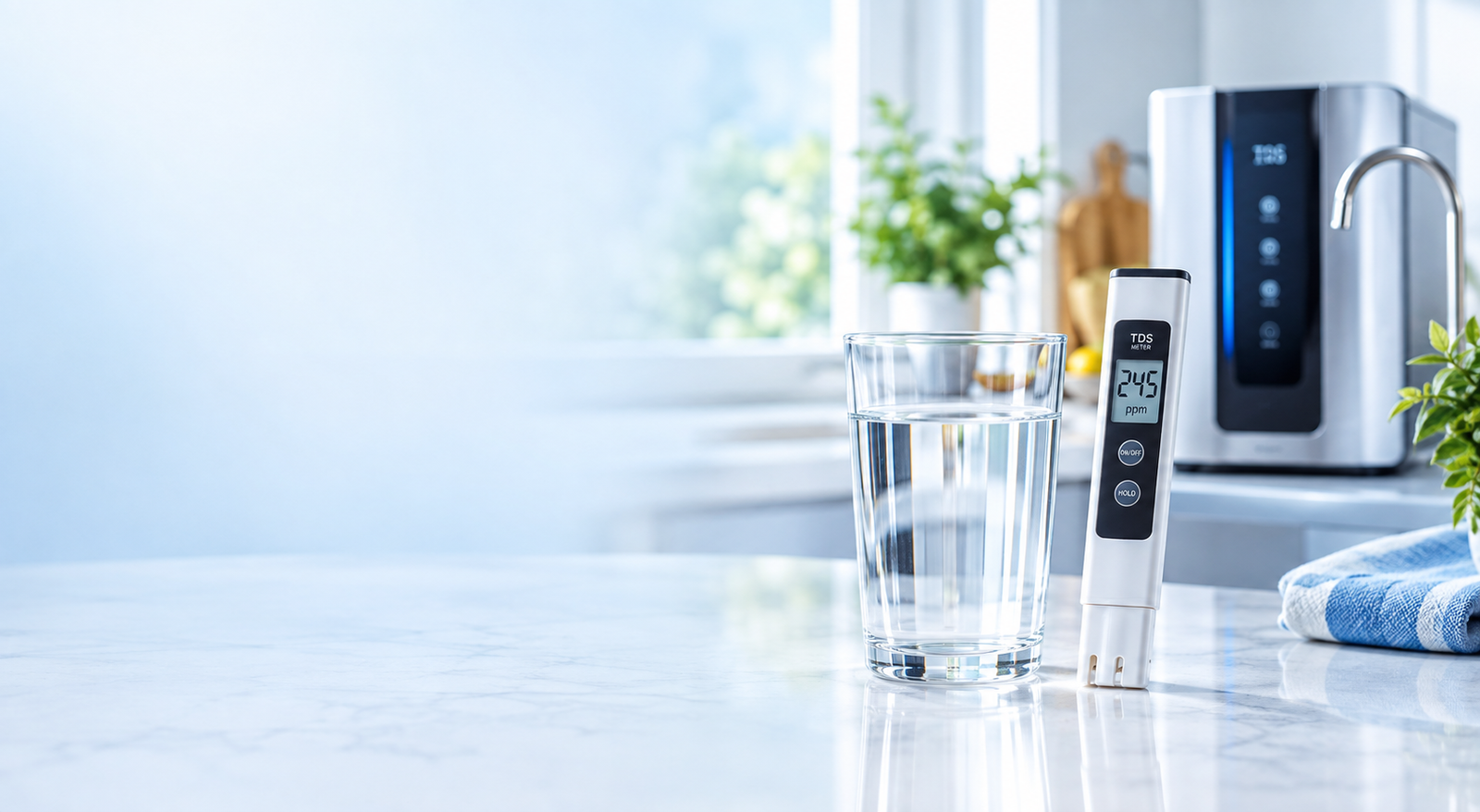
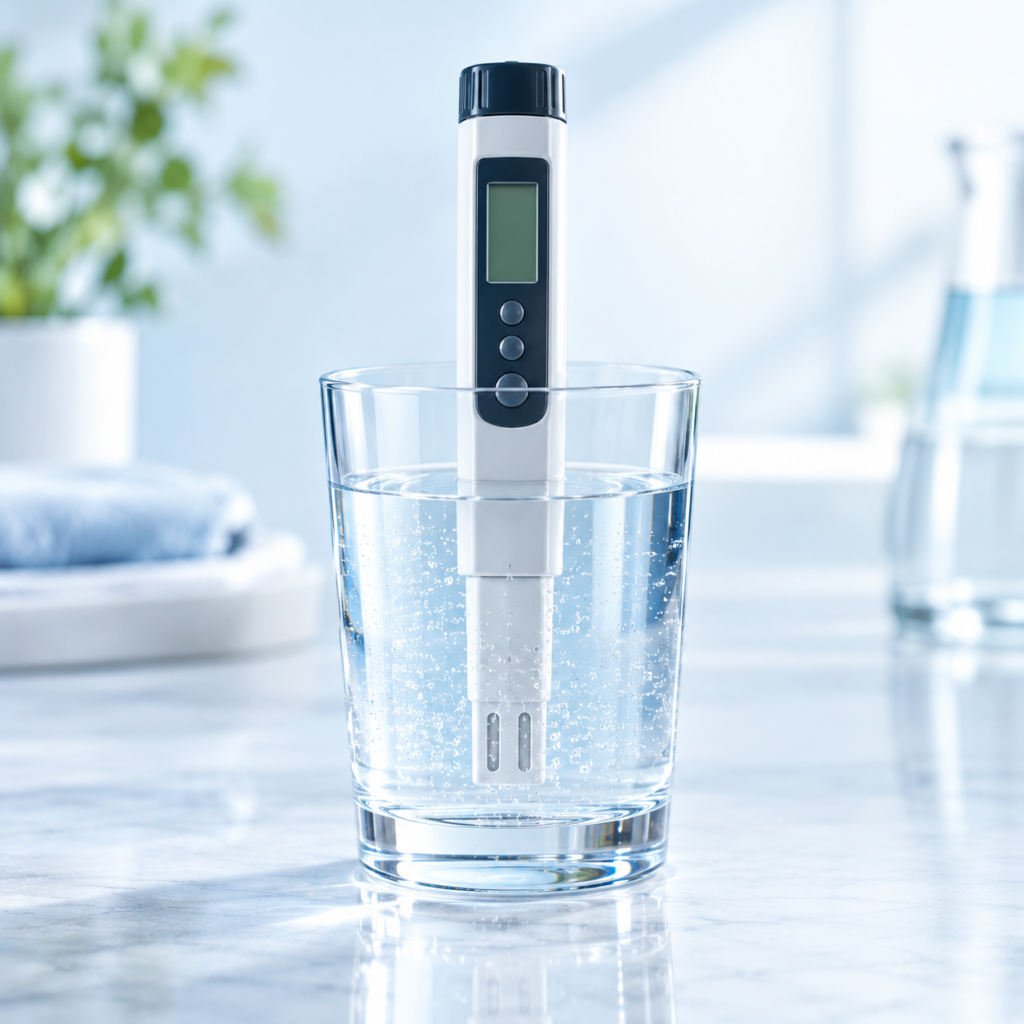
A TDS meter generally measures the electrical conductivity of water and uses that measurement to estimate the amount of dissolved material.It does not directly identify each individual substance present in the water.
Electrical Conductivity
Meter Reading
Estimated TDS
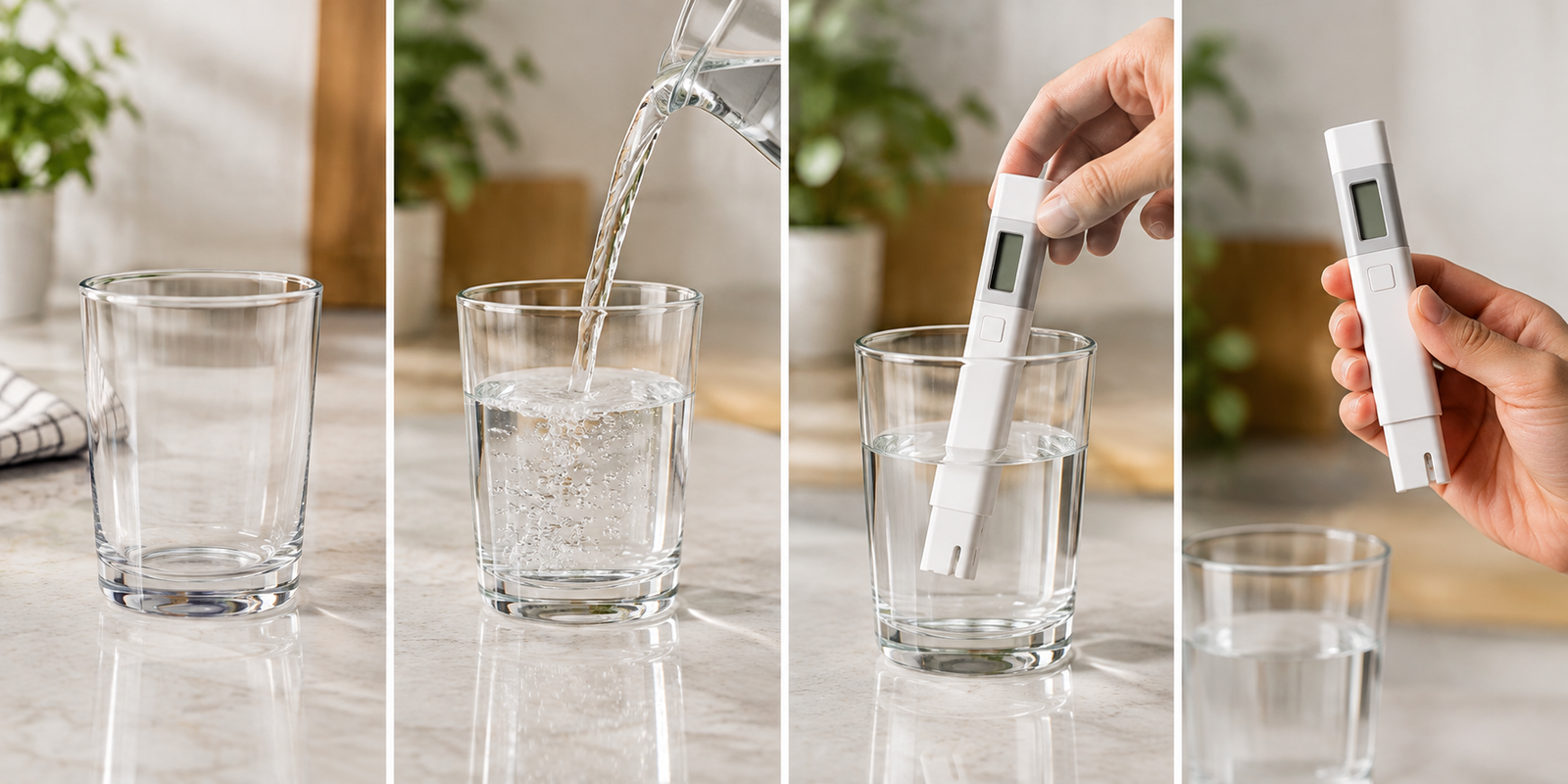
1. Clean the Glass
Use a clean glass or container before collecting the sample.
2. Collect Water Sample
Fill the glass with the water you want to check.
3. Place TDS Meter
Place the meter probe into the water according to the manufacturer's instructions.
4. Wait for Stable Reading
Allow the reading to stabilize and record the displayed value.
Always follow the instructions provided with your TDS meter.
Not Necessarily.
A lower TDS reading means that the water contains fewer dissolved solids, but TDS alone does not determine whether water is suitable for drinking.Different water sources can have different mineral compositions and water-quality characteristics.
A TDS number alone does not tell you the complete quality of your drinking water.
Is High TDS Always Unsafe?
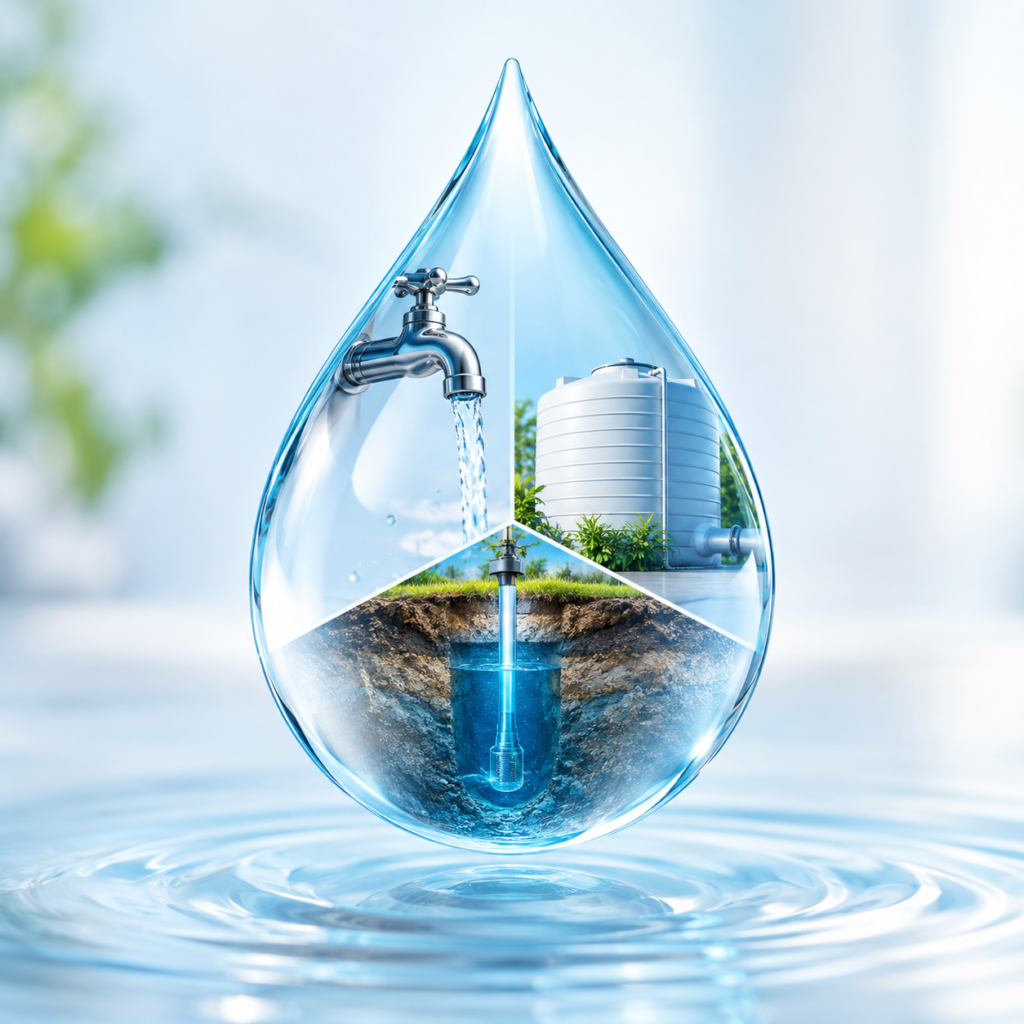
A higher TDS reading means there is more dissolved material in the water, but it does not identify exactly which substances are present. Different minerals, salts and other dissolved materials can contribute to TDS. For a better understanding of water quality, additional testing may be required depending on the water source and local conditions.
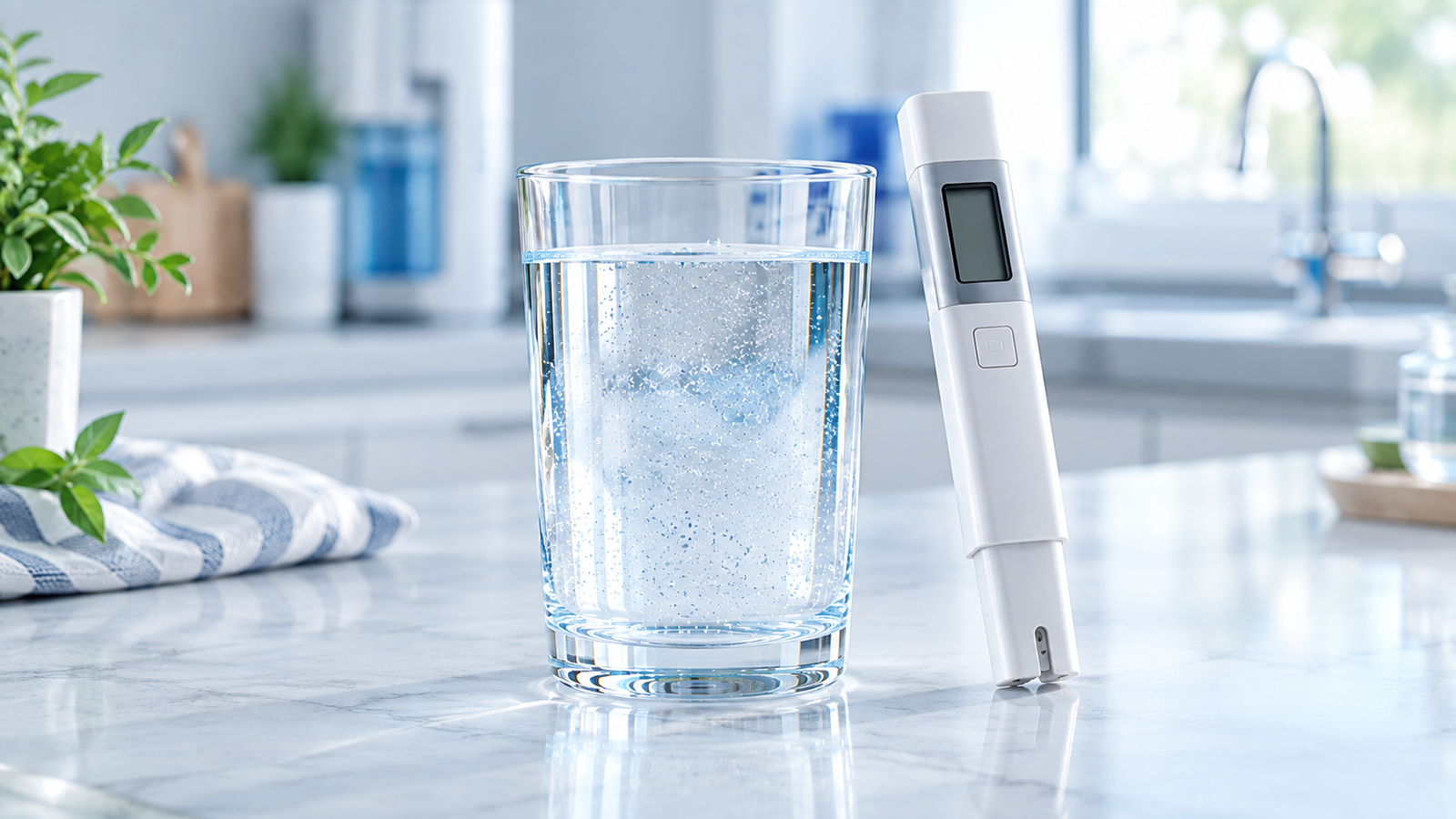
What About TDS After RO Purification?
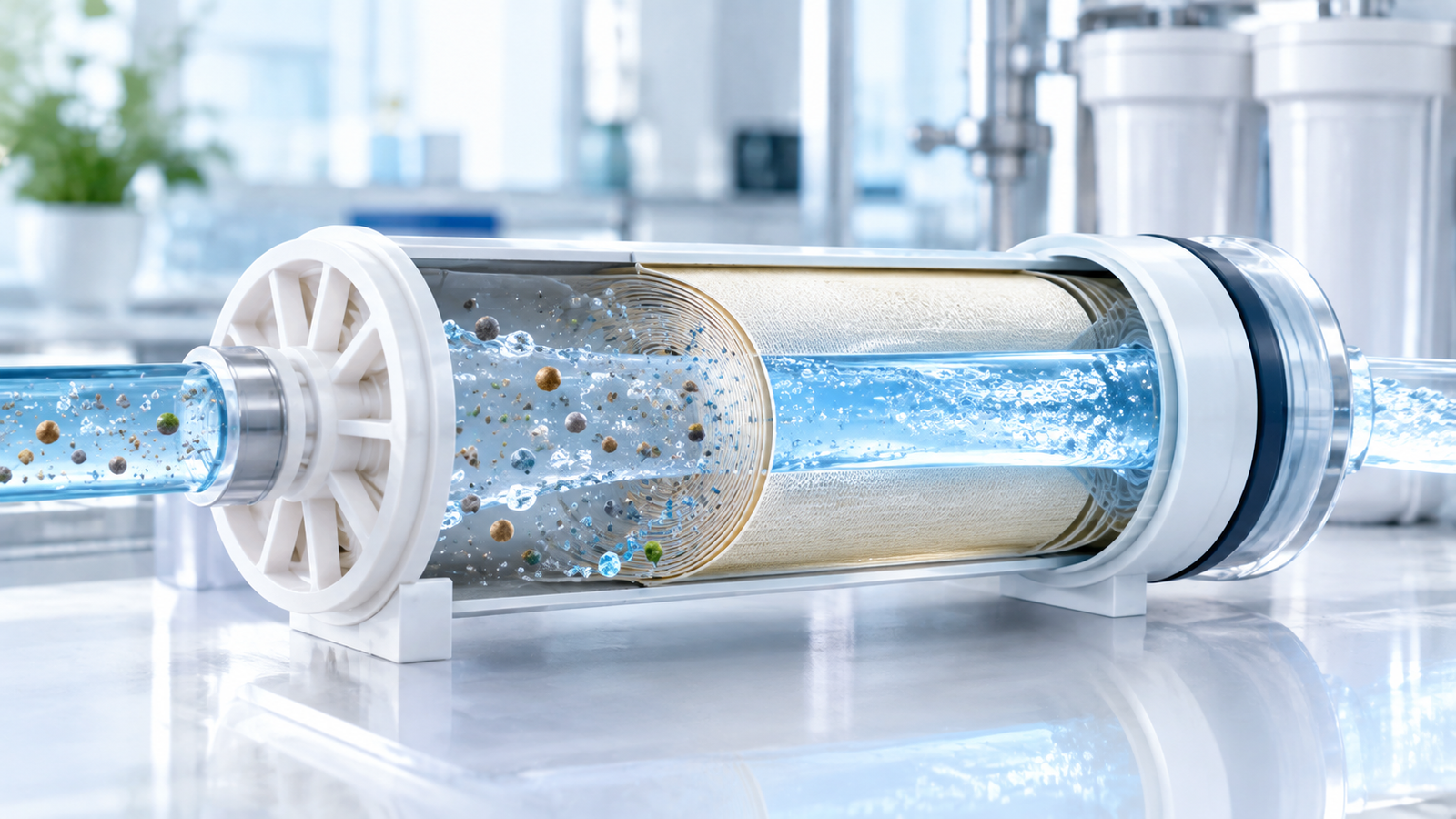
RO can reduce many dissolved substances from water, so the TDS reading may decrease after RO treatment.
Don’t Judge Your Water
by TDS Alone
A TDS reading gives you an indication of dissolved
material, but it cannot tell you the complete story
about water quality.
Understand Your Water Before Choosing Your Technology. Check TDS in water