
Alkaline Water vs Normal Water: What Is the Difference?
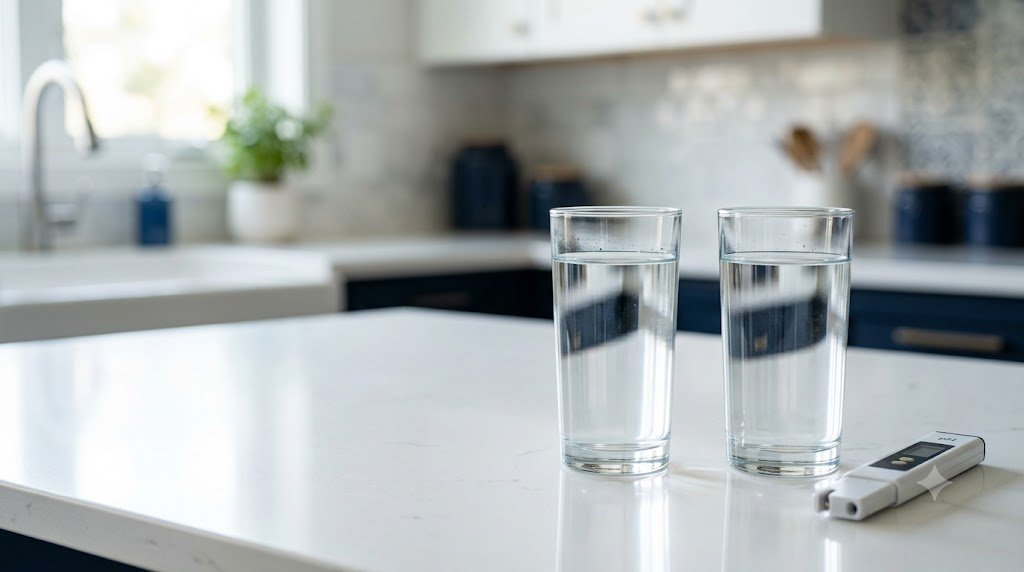
Alkaline water vs normal water is a common topic when people explore drinking water quality and water treatment technologies. The main difference usually discussed is pH, which indicates how acidic or alkaline water is.
But does a higher pH automatically mean better water? Not necessarily. Understanding pH, water composition and your water source can help you make a more informed choice.
In this guide, we explain the differences between normal drinking water and alkaline water, how a water ionizer works, and what you should know before choosing a water technology.
1. What Is Normal Drinking Water?
Normal drinking water refers to water intended for everyday consumption. Its characteristics depend on the source, dissolved minerals and any treatment it has undergone.
Drinking water can come from municipal supplies, borewells, tankers or other sources. Its pH and mineral composition may vary from one source to another.
Clear appearance and normal taste do not guarantee that water meets every safety requirement. Appropriate testing and knowledge of the water source are important.
Learn more in our guide on whether your drinking water is safe.
2. What Is Alkaline Water?
Alkaline water is water with a pH above 7. The pH scale describes how acidic or alkaline a solution is.
Water with a pH around 7 is considered neutral at standard reference conditions. Water below 7 is acidic, while water above 7 is alkaline.
The pH of water can depend on its dissolved substances, source and treatment process. The term “alkaline water” describes a pH characteristic; it does not, by itself, establish that water is safer or healthier.
3. Alkaline Water vs Normal Water: Key Differences
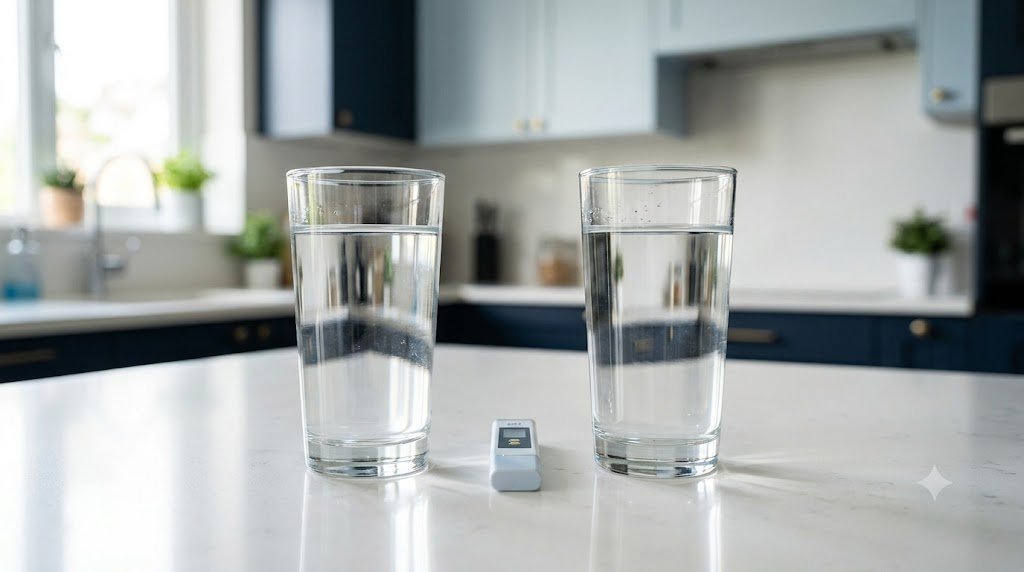
The main difference commonly discussed is pH. However, the actual characteristics of drinking water depend on its composition and source.
| Feature | Normal Drinking Water | Alkaline Water |
|---|---|---|
| pH | Varies by source and composition | Above pH 7 |
| Mineral composition | Depends on the source and treatment | Depends on the source and process |
| Taste | May vary | May vary |
| Water quality | Requires appropriate assessment | Requires appropriate assessment |
| Safety | Cannot be determined by pH alone | Cannot be determined by pH alone |
This is a general comparison. Normal drinking water can also have a pH above 7, so the two categories are not necessarily mutually exclusive.
4. Understanding pH Levels
The pH scale generally ranges from 0 to 14.
- Below pH 7: Acidic
- Around pH 7: Neutral
- Above pH 7: Alkaline
These values help describe the acid-base characteristics of water. However, pH is only one measurement used when assessing water quality.
Read our detailed guide to understanding the pH of water to learn more about acidic, neutral and alkaline water.
5. Does Higher pH Mean Better Water?
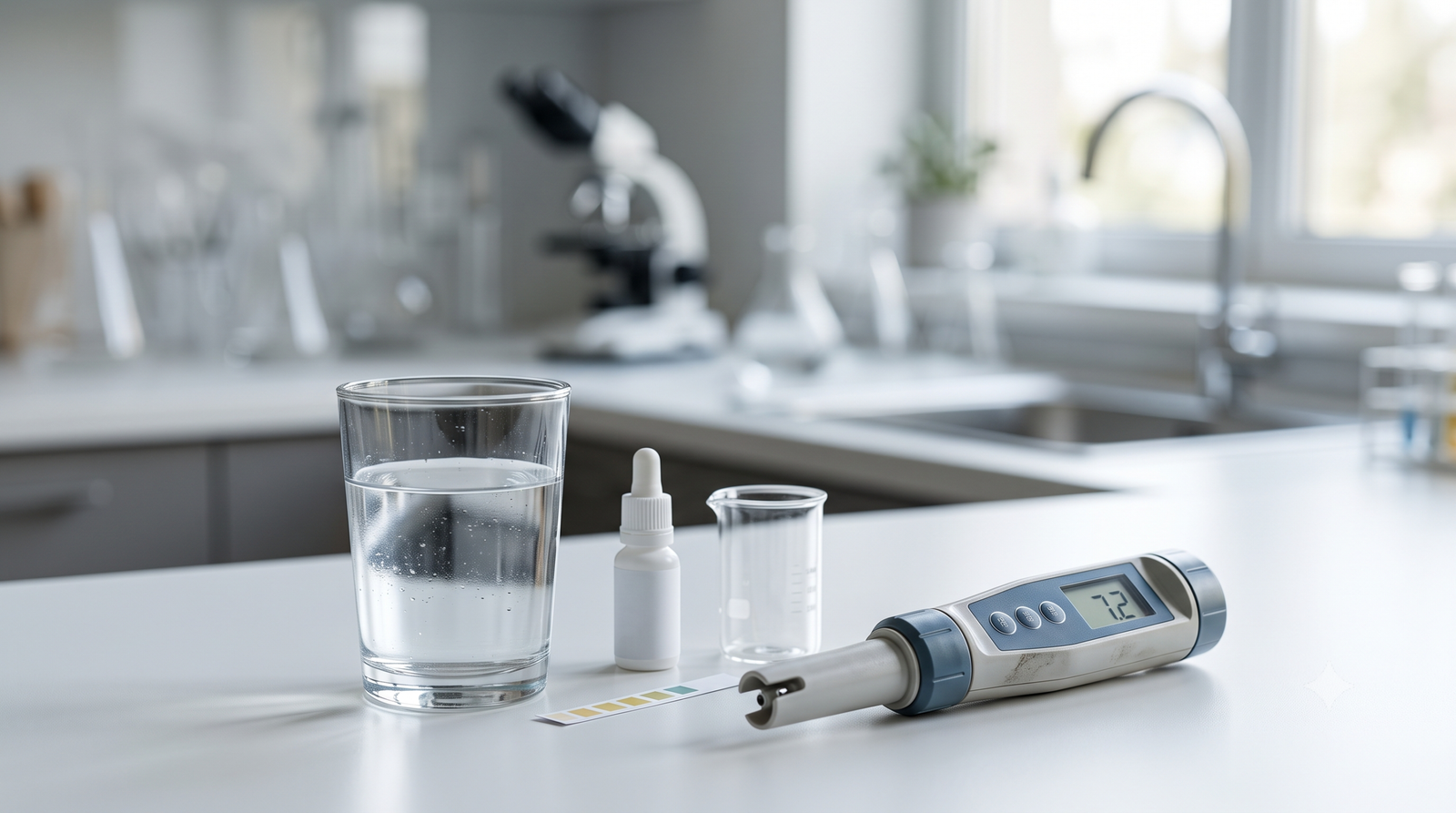
No. A higher pH reading does not automatically mean water is better or safer to drink.
Water quality assessment may involve factors such as microbiological contamination, dissolved substances and other contaminants relevant to the water source. A pH reading alone cannot identify all these factors.
A TDS meter also has limitations. It estimates total dissolved solids based on electrical conductivity and cannot identify every substance in the water.
Read our guide to what TDS in water means to understand this measurement.
6. How Does a Water Ionizer Produce Alkaline Water?

An electrolysis-based water ionizer passes an electric current through water using electrodes. This process can produce separate water outputs with different pH characteristics, depending on the machine design and operating conditions.
A water ionizer works differently from reverse osmosis (RO), ultraviolet (UV) treatment and ultrafiltration (UF). These technologies use different mechanisms and serve different purposes.
A water ionizer should not automatically be treated as a substitute for a treatment process needed to address specific contaminants.
Learn more in our guide to RO vs UV vs UF vs water ionizer.
7. What Does Scientific Evidence Say About Alkaline Water?
Alkaline water is often discussed in connection with hydration and potential health benefits. However, strong evidence is limited for many specific health claims, and alkaline water should not be presented as a treatment or cure for disease.
The body also has its own systems for regulating blood pH. Drinking water with a higher pH does not mean it will automatically change the body's blood pH.
Choose drinking water based on appropriate safety considerations, your needs and reliable evidence rather than marketing claims alone.
8. How Should You Choose Your Drinking Water?
Before choosing a water treatment technology, consider these factors:
- Water source: Understand whether your water comes from a municipal supply, borewell, tanker or another source.
- Water testing: Use appropriate testing to understand the characteristics and possible contamination risks of your water.
- Treatment requirement: Choose a technology suited to the actual water-quality issue you need to address.
- Maintenance: Understand installation, operation and maintenance requirements.
- Reliable information: Check product specifications and avoid unsupported health or safety claims.
No single technology is the right solution for every water source. The appropriate choice depends on the water quality and treatment requirements.
9. Final Takeaway
The key difference in the alkaline water vs normal water discussion is generally the pH level. However, a higher pH does not automatically mean better water quality.
Understand your water source, check the relevant water-quality parameters and select a technology that matches your requirements.
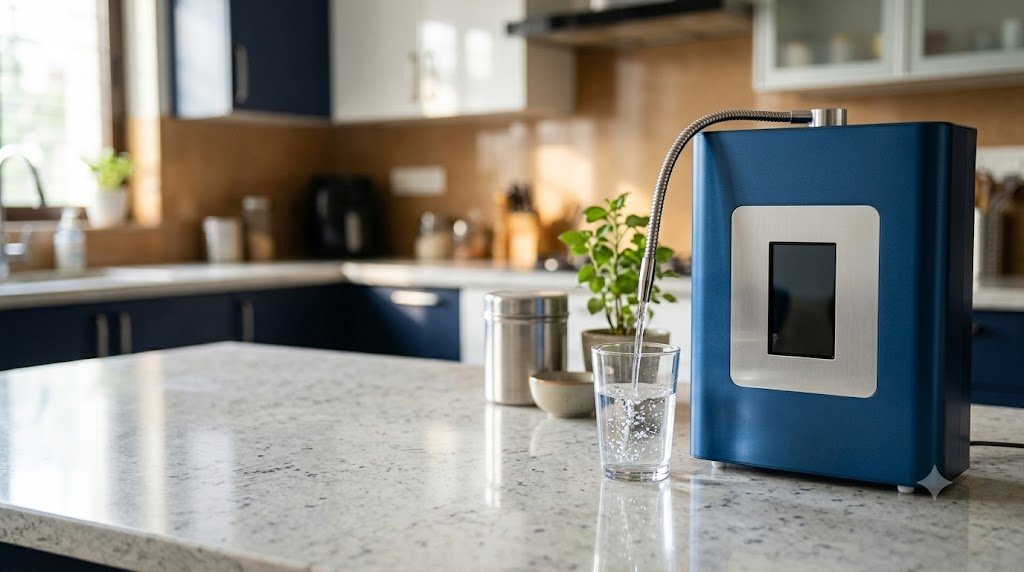
Explore Kenjan Water Ionizers
Interested in learning about electrolysis-based water ionizer technology? Explore the Kenjan range and understand the product features before deciding whether it suits your requirements.