
Clear-looking water does not always tell you everything about its quality.
Before choosing a water purifier or water ionizer, understand what is actually present in your drinking water.
We use water every day—for drinking, cooking, making tea and coffee, and staying hydrated. But clear-looking water does not always tell us everything about its quality.
Understanding your water starts with knowing its source, TDS, pH, appearance and other important factors.
These checks can help you better understand your water before choosing a purification or water ionization technology.
So, what should you actually check?
Here are 7 important things to look at when understanding your drinking water.
Your water quality depends on more than just one number.
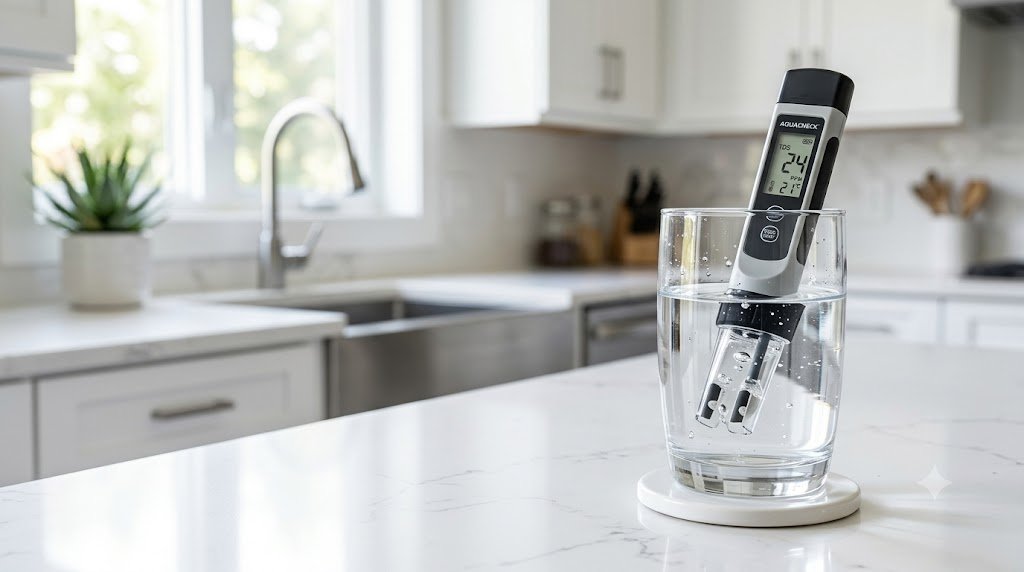
Check the TDS Level
TDS (Total Dissolved Solids) refers to the amount of dissolved substances present in water.A TDS reading can give you useful information about your water, but TDS alone cannot determine whether water is safe to drink.Different dissolved substances can contribute to the same TDS reading.
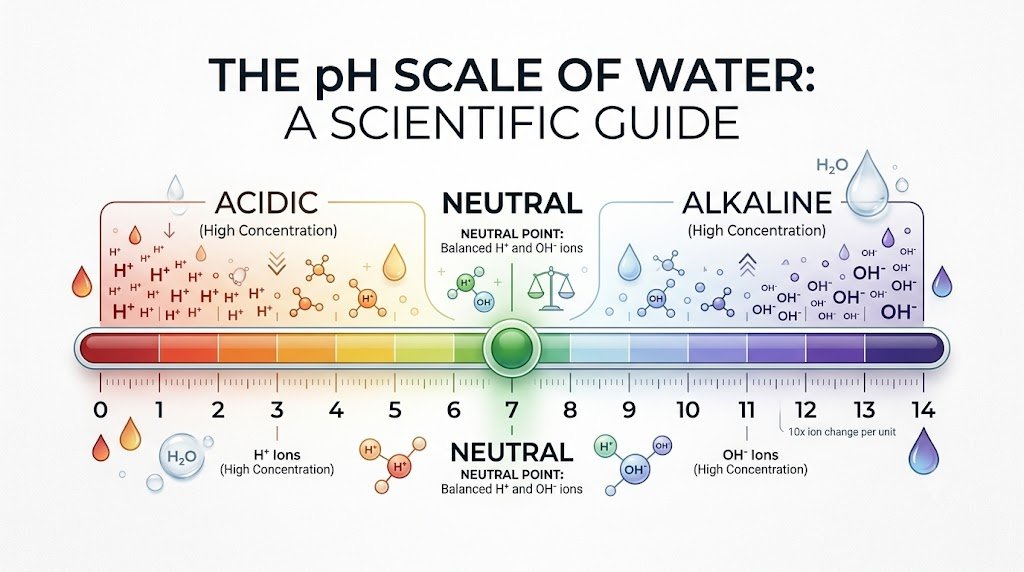
Check the pH of Your Water
pH indicates whether water is acidic, neutral, or alkaline.A pH reading is useful when understanding your water, but pH by itself does not determine overall drinking-water safety.If you use an alkaline water ionizer, understanding pH is especially important because the device can produce water at different pH levels depending on its settings.
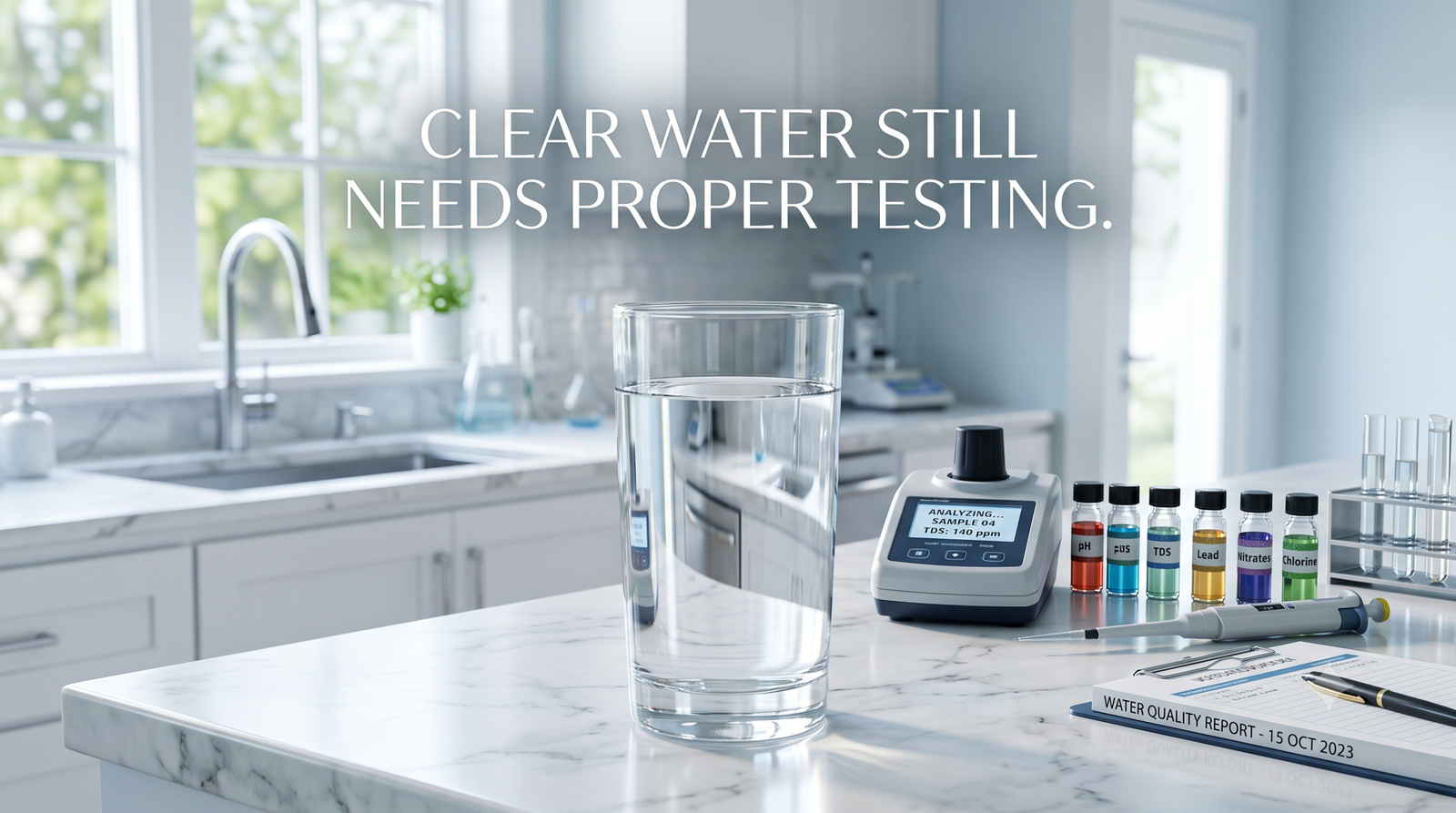
Don't Judge Water Only by Its Appearance
Water can look completely clear and still require testing.Things such as: Microorganisms Dissolved chemicals Certain contaminantsmay not be visible to the naked eye.
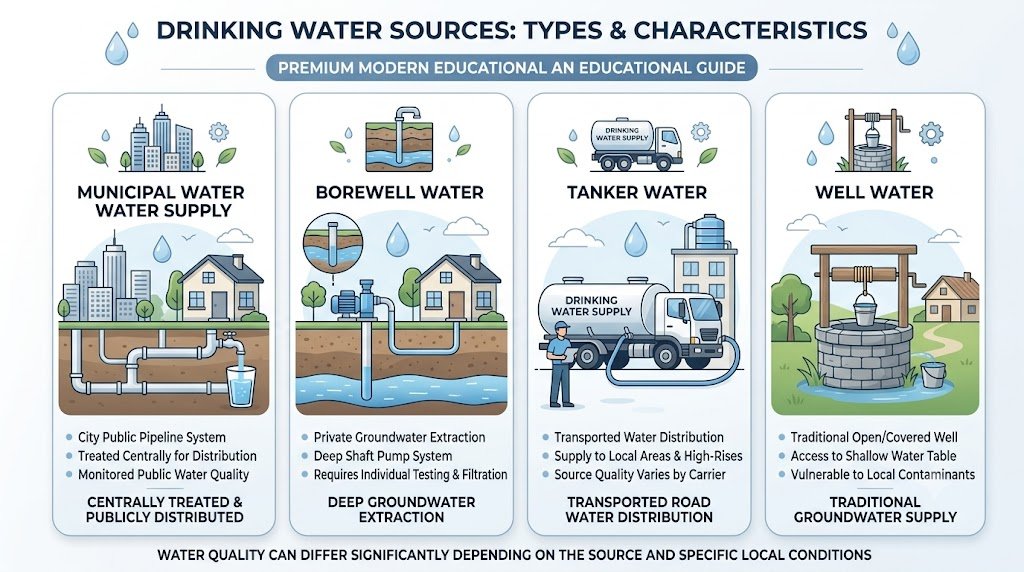
Where does your drinking water come from?
Water quality can vary significantly depending on the source and local conditions.
Common drinking water sources include:
Municipal water supply
Borewell water
Well water
Tanker water
Packaged water
A combination of different sources
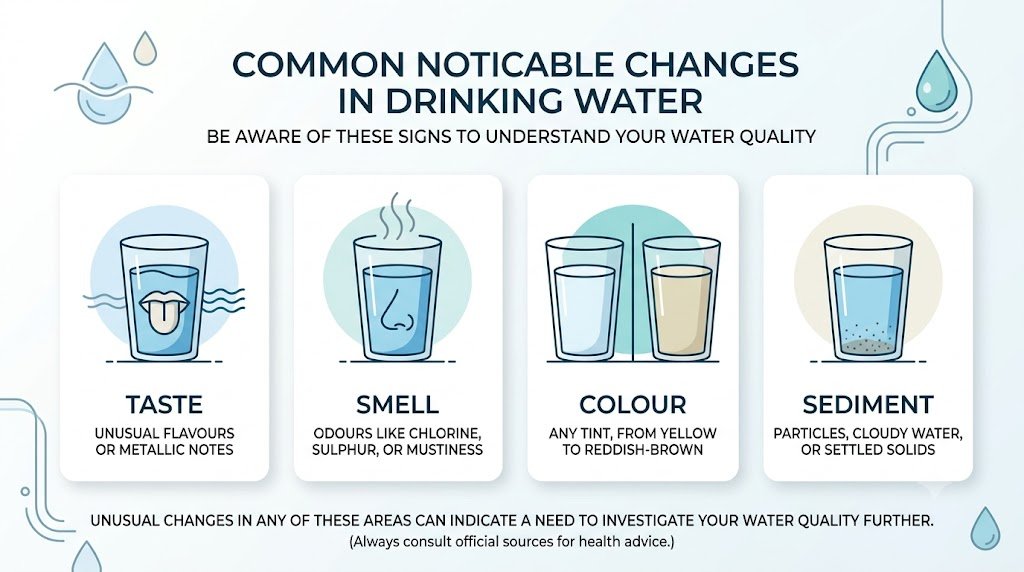
Check for Unusual Taste, Smell or Colour
These signs don't identify a specific contaminant by themselves, but they can indicate that further checking may be worthwhile.
Taste-Metallic or salty taste
Smell-Unusual smell
Colour-Yellowish or cloudy appearance
Sediment-Visible particles in water
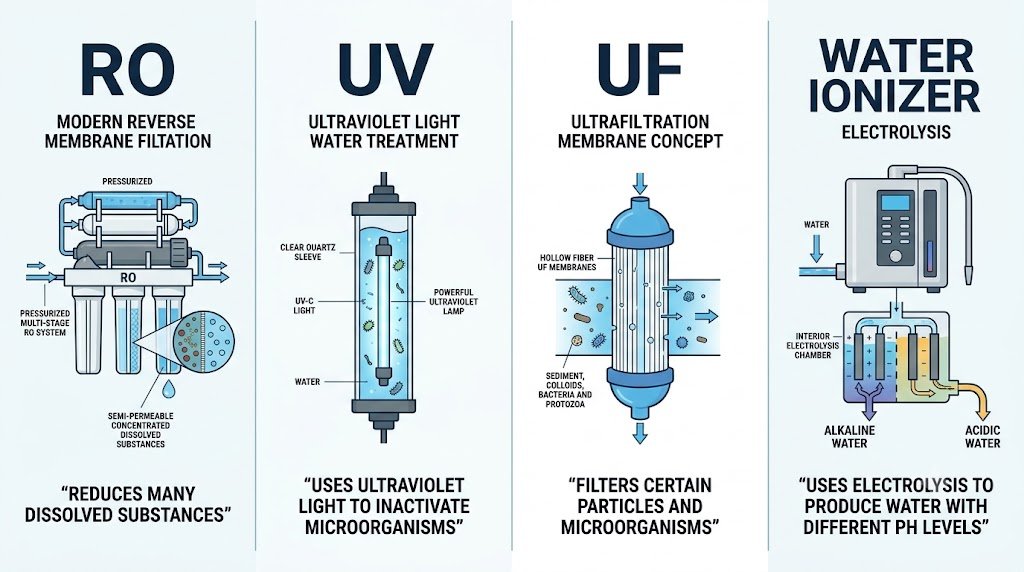
Understand What Your Water Purifier Actually Does
Not every purification technology works in the same way.
ROReduces many dissolved substances
UVUses ultraviolet light to inactivate microorganisms
UFUses membrane filtration to remove certain particles and microorganisms
Water IonizerUses electrolysis to produce water with different pH levels
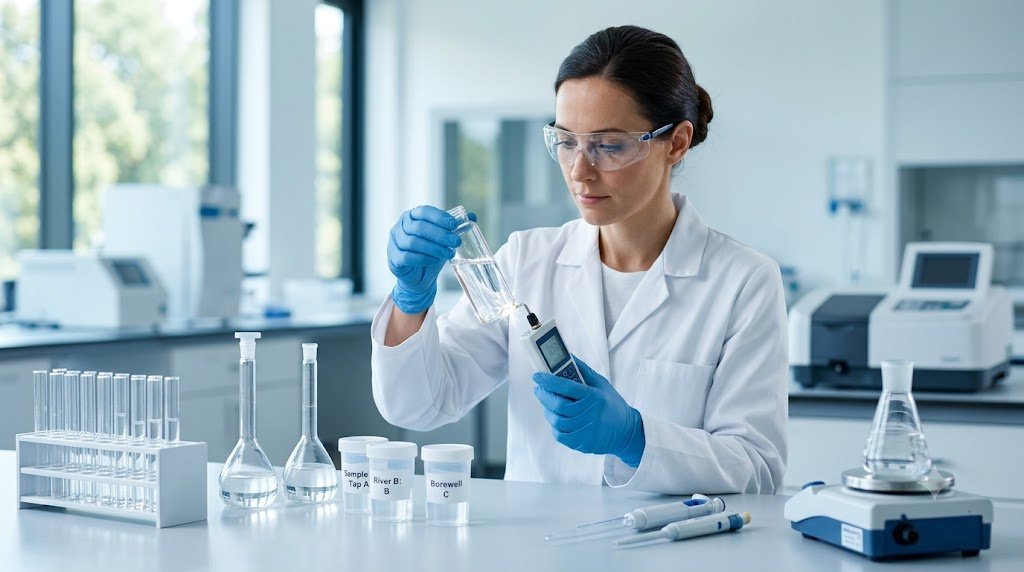
Get Your Water Tested
For a clearer picture of your water quality, laboratory testing is more informative than relying only on appearance, taste, or a TDS meter.
✓ pH
✓ TDS
✓ Hardness
✓ Microbiological parameters
✓ Fluoride
✓ Nitrate
✓ Iron
✓ Other relevant contaminants
So, Is Your Drinking Water Really Safe?
The answer shouldn't be based on one number or one feature.
Checking your water source, TDS, pH, appearance, taste, treatment method, and laboratory test results can give you a much better understanding of your drinking water.
“Clear water doesn't always mean tested water.”